
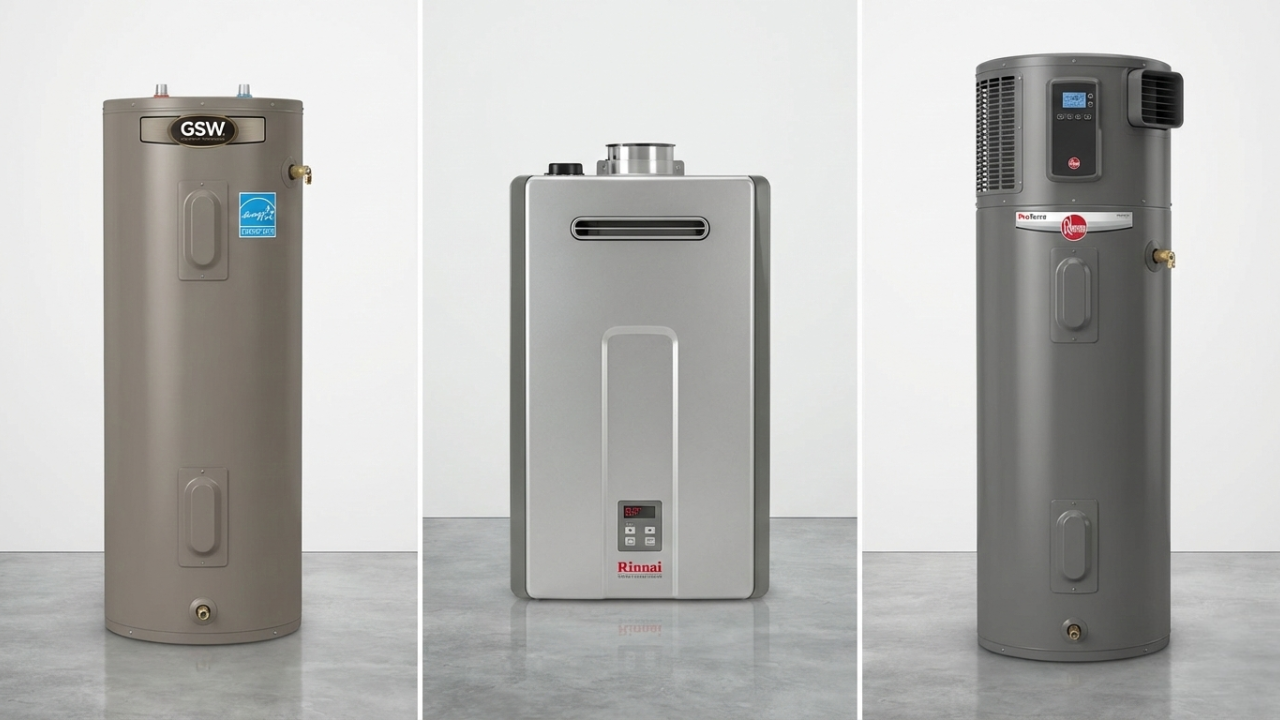
If you have ever stepped into a freezing cold shower on a January morning in Muskoka or Mississauga, you know that your water heater is the unsung hero of your home. It works tirelessly behind the scenes, yet we rarely think about it until the hot water stops flowing.
In Ontario, where energy prices fluctuate and winters are unforgiving, choosing the right water heater isn’t just about comfort—it’s about your monthly budget. Whether you are building a new home in the GTA or looking to replace an aging unit in Ottawa, this guide will walk you through the types of water heaters available today, their pros and cons, and which one makes the most sense for the Canadian climate.
The Importance of High-Efficiency Water Heating
We often focus on our furnaces when it comes to energy consumption, but water heating is typically the second-largest energy expense in Canadian households. According to Natural Resources Canada, water heating accounts for about 18% of the energy used in the average home.
By selecting a high-efficiency model, you aren't just helping the planet; you are actively lowering your energy bill.
1. Conventional Storage Tank Water Heaters
The storage tank is the "classic" choice. You’ll find these in the vast majority of basements. They consist of an insulated tank—usually holding between 30 and 60 gallons—where water is heated and stored until you turn on a tap.
Source: Reliance Home Comfort
How They Work
Cold water enters the bottom of the tank and is heated by either gas burners (Natural Gas or Propane) or electric elements. A thermostat keeps the water at a set temperature.
Pros
- Lower Upfront Cost: These are the most affordable units to purchase and install.
- Simple Installation: Most HVAC contractors can swap a tank in a few hours.
- Reliability: With fewer electronic components than high-tech models, there is less to go wrong.
Cons
- Standby Energy Loss: The unit keeps water hot even when you’re sleeping or at work, which wastes energy.
- Limited Supply: If your family takes back-to-back showers, you might run out of hot water and have to wait for the tank to "recover."
- Space Hog: They take up a significant footprint in your mechanical room.
2. Tankless (On-Demand) Water Heaters
Tankless water heaters have exploded in popularity across Ontario over the last decade. Instead of keeping a giant vat of water hot, they heat water instantly as it flows through the unit.
Source: Reliance Home Comfort
How They Work
When you turn on the hot water tap, a sensor detects the flow. A high-powered gas burner or electric element ignites, heating the water as it travels through a heat exchanger.
Pros
- Endless Hot Water: You can run the shower, the dishwasher, and the laundry simultaneously without running out.
- Energy Efficiency: Since there is no standby loss, they are significantly more efficient.
- Space-Saving: They are roughly the size of a suitcase and are usually mounted on the wall.
Cons
- Higher Initial Cost: The units and the installation (which often requires specialized venting and gas lines) are more expensive.
- "Cold Water Sandwich": Sometimes, a small burst of cold water can enter the line between uses.
- Maintenance Requirements: In areas with hard water, these units require annual descaling to prevent mineral buildup.
3. Heat Pump Water Heaters (Hybrid)
As Ontario pushes toward electrification, heat pump water heaters are becoming a hot topic. They are incredibly efficient because they don't create heat; they move it.
Source: Reliance Home Comfort
How They Work
Think of a heat pump water heater as a refrigerator running in reverse. It pulls heat from the surrounding air in your basement and transfers it into the water tank.
Pros
- Massive Energy Savings: They can be 2 to 3 times more efficient than standard electric tanks.
- Dehumidification: As a byproduct, they pull moisture out of the air—a nice bonus for damp Ontario basements.
- Rebates: Many federal and provincial "green" programs offer incentives for installing heat pump technology.
Cons
- Requires Space: They need a certain amount of cubic air space to pull heat from, so they can't be tucked into a tiny closet.
- Cooler Ambient Air: They discharge cool air into the room, which might make your basement feel a bit chillier in the winter.
- Higher Upfront Price: Like tankless units, the initial investment is steep.
Comparison Chart: Water Heaters at a Glance
| Feature | Storage Tank (Gas/Elec) | Tankless (On-Demand) | Heat Pump (Hybrid) |
|---|---|---|---|
| Upfront Cost | Low ($800 - $1,500) | High ($2,500 - $4,500) | High ($3,000 - $5,000) |
| Expected Lifespan | 10–15 Years | 20+ Years | 10–15 Years |
| Energy Efficiency | Moderate | High | Very High |
| Hot Water Supply | Limited by tank size | Endless | Limited by tank size |
| Maintenance | Low (Anode rod check) | Moderate (Annual flushing) | Moderate (Filter cleaning) |
4. Indirect Water Heaters
If you live in an older home that uses a boiler for space heating, an indirect water heater might be your best bet.
How They Work
These units don't have their own heating element. Instead, hot fluid from your home’s main boiler circulates through a coil inside the water tank, heating the domestic water.
Pros
- Efficiency: They utilize the high efficiency of your existing boiler.
- Fast Recovery: They typically heat water faster than a standalone gas tank.
Cons
- Boiler Dependent: If your boiler goes down, you lose your heat and your hot water.
- Costly Setup: The initial integration with your boiler system can be complex.
The Ontario Context: Rentals vs. Owning
One unique aspect of the Ontario market is the "Rental Water Heater" culture. For decades, companies like Reliance Home Comfort and Enercare have dominated the landscape.
Should you rent or buy?
- Renting: Offers peace of mind. If the tank leaks at 2 AM, the rental company handles the repair or replacement at no extra cost. However, over 10 years, you will likely pay triple the cost of the unit.
- Owning: Higher upfront cost, but significantly cheaper in the long run. Many Ontario homeowners are now choosing to "buy out" their rentals to save on monthly bills.
Factors to Consider Before Buying
Before you decide to buy, ask yourself these four questions:
- Fuel Source: Do you have natural gas, or are you strictly electric? Gas is generally cheaper for heating in Ontario, but electric heat pumps are catching up in efficiency.
- Household Size: A family of five with teenagers has very different needs than a retired couple.
- Water Quality: If you are on a well in rural Ontario, hard water will dictate your maintenance schedule. Check out Ontario’s Water Quality standards to understand what's in your pipes.
- Future Plans: Are you planning to stay in the home for 20 years? If so, the long-term savings of a tankless or heat pump unit may be worth the investment.
Final Verdict: Choosing Your Next Hot Water Solution
Upgrading your water heater is one of the most impactful home renovation Ontario projects you can undertake. While the types of water heaters vary wildly in price and performance, the goal remains the same: reliable, affordable hot water.
If you value low upfront costs, the conventional tank is your friend. If you want a "forever" shower and more basement space, go tankless. And if you are looking to be the greenest house on the block while slashing your electricity usage, the heat pump hybrid is the way of the future.